Cash, Quality, Gold and a Loaded Gun: How I’d Position for What Comes Next
This post was originally published on jpfs.com
There are times to be aggressive, and there are times to make sure you’re still standing when everyone else discovers they were too aggressive. Right now, I favour the latter.
That doesn’t mean hiding under the bed with a tin helmet and a box of baked beans. It means recognising that the environment has changed.
Oil is high, bond yields are high, inflation refuses to die quietly, the dollar remains strong and central banks are still talking tough. Yet equity markets continue behaving as though somebody has quietly guaranteed them against losses. Maybe they’re right. Maybe earnings remain strong, AI continues driving investment and the whole thing keeps grinding higher. But I’ve been around markets long enough to know that “maybe” is not a risk-management strategy. So, if I were positioning money today, I’d be confident — but not stupidly confident. There is a difference.
My starting point would be liquidity. For years, investors were almost punished for holding cash. Interest rates were near zero, governments flooded markets with cheap money and the only way to earn a decent return was to take more risk. That world has gone. Today, cash and short-dated government paper actually pay something, and when you can earn a reasonable return without betting the farm, there is absolutely no shame in holding ammunition. I would happily have around 20–30% sitting in cash and short-duration instruments, not because I’m bearish on everything, but because I want the ability to buy when somebody else is forced to sell. Cash gives you choice, and in volatile markets choice can be worth considerably more than an extra couple of percent chasing some fashionable trade. I would still own equities — absolutely — but I would be far more selective. I want companies with real earnings, strong balance sheets, good margins and enough cash flow to survive expensive money. I have very little interest in businesses that require cheap credit, forgiving investors and endless capital raising just to remain alive. Those are the companies that look clever in bull markets and suddenly develop “unexpected challenges” when rates stay high.
I’d keep exposure to the biggest technology names because the AI investment story remains powerful, but I wouldn’t confuse a good company with a good price. That mistake has emptied plenty of wallets over the years. So yes, retain quality technology, but don’t chase it like the last lifeboat leaving the Titanic.
Energy also deserves a meaningful allocation. Oil remains one of the most important markets in the world, despite attempts by policymakers to pretend otherwise. High oil prices feed inflation, hurt consumers and influence central banks, but they also generate enormous cash flows for well-run energy companies. I’d prefer owning profitable producers and infrastructure rather than simply chasing crude futures after a huge rally. There’s a difference between investing in strength and arriving late to the party wearing somebody else’s shoes.

Gold also stays in the portfolio. I know gold has struggled at times against a strong dollar and high real yields. That doesn’t bother me. I don’t own gold because I expect it to rise every Tuesday. I own gold because governments remain addicted to borrowing, central banks continue experimenting with monetary policy and geopolitical risk is hardly disappearing.
Gold is insurance. You don’t cancel your house insurance because the house didn’t burn down last year. I’d probably keep 10–15% in precious metals or related exposure — not enough to dominate the portfolio, but enough to matter if things get ugly.
The dollar remains another asset I wouldn’t fight just yet. As long as American yields remain attractive and global investors continue viewing the United States as the safest large capital market, the dollar retains support. That may change; everything changes eventually. But betting heavily against the dollar while US rates remain elevated feels like arguing with a bus. You may eventually be right, but you may also end up underneath it. Bitcoin is more interesting. I remain positive on the long-term argument for digital assets, but I would size the position properly. That means perhaps 3–7% depending on risk tolerance: enough that a large move higher actually matters, but not enough that a 40% collapse ruins Christmas. Bitcoin still trades like a liquidity-sensitive risk asset. That may evolve, but today it is what it is. One of the biggest mistakes investors make is owning what they wish an asset was instead of what it actually is.
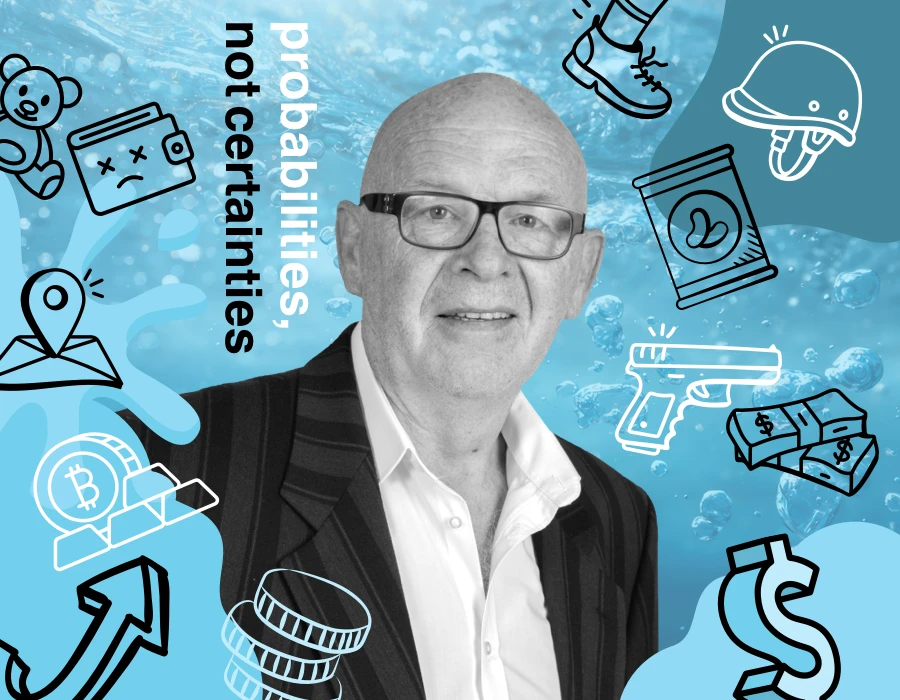
Most importantly, I would reduce leverage. This is not an environment where I want somebody else controlling my exit. High interest rates, geopolitical risk, volatile energy markets and nervous bond markets are exactly the conditions where leverage turns a manageable loss into a disaster. I would rather miss a little upside than be forced out at the bottom because a broker decided I needed more margin. So, the overall portfolio would be boringly sensible: cash, quality equities, energy, gold, a little Bitcoin, some tactical firepower, no heroic leverage and plenty of patience. Could that be wrong? Of course. The stock market could surge another 20%. Oil could collapse. Bond yields could fall sharply. The Fed could suddenly turn dovish and risk assets could explode higher. That is always the risk when positioning defensively. But markets are about probabilities, not certainties. The object is not to predict every move perfectly. The object is to make sure that when you are wrong, you survive, and when you are right, you have enough exposure to benefit.
That is the part younger traders often forget. They think confidence means betting everything. It doesn’t. Real confidence means being comfortable enough to leave some chips off the table. My view is straightforward. This is not the time to panic, but it is absolutely the time to respect risk. Hold liquidity. Own quality. Keep some gold. Maintain selective energy exposure. Stay cautious with leverage. And keep enough cash ready for the moment fear finally returns properly.
Because when markets eventually wobble, and they always do, the best opportunities won’t belong to the people who predicted the exact top. They’ll belong to the people who still have money left. And that, after half a century watching markets make geniuses look stupid, is still one of the most valuable positions you can own.
Please note the political opinions expressed above are those of the author himself, and do not necessarily reflect the opinions of JP Fund Services AS.
The post Cash, Quality, Gold and a Loaded Gun: How I’d Position for What Comes Next first appeared on JP Fund Services.
Follow us, and keep yourself up to date with news and views about what's going on in the world's financial markets.
Latest News
The Anatomy of the Perp Basis: How Funding Rates Drive Crypto Liquidity and Cascades

Widening Gaps

Bonds Are Screaming, Stocks Are Smiling – Something Has to Give